📌 Table of Content:
Drying saffron is one of those rare kitchen rituals where science, patience, and a bit of magic collide. Whether you're harvesting fresh Crocus sativus stigmas, planning to buy saffron threads for your next recipe, or looking to refine store-bought threads for deeper flavor, knowing how to dry saffron correctly can make the difference between weak, dull strands and vibrant, aromatic red gold. This guide gives you clear steps, pro methods, and the secret mistakes to avoid—so your saffron becomes richer, more fragrant, and absolutely unforgettable.
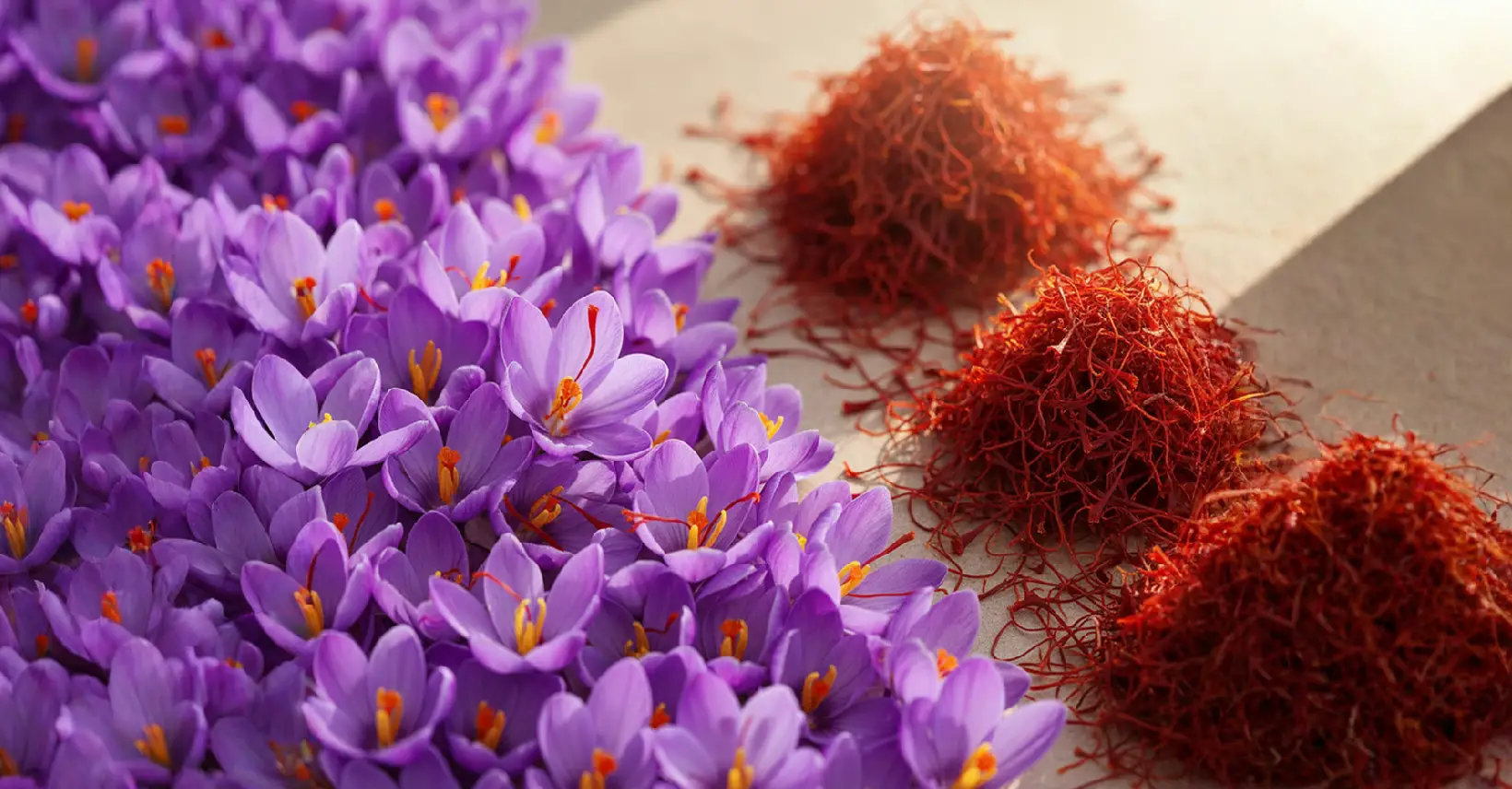
Drying saffron is the essential step that transforms fresh, moisture-rich stigmas into the concentrated threads we cook with. Without proper drying, saffron stays weak, loses aroma quickly, and spoils within days. When dried correctly, however, it becomes intensely fragrant, vibrant in color, and able to last for years—making it far more effective when exploring different ways of how to use saffron in your cooking. That’s why understanding how to dry saffron properly matters so much.
Drying saffron at home is simple, but it requires precision. This section walks you through easy, reliable methods for anyone with freshly collected stigmas. You don’t need fancy tools—just care, consistency, and a clean workspace.
Air-drying is ideal for beginners—it’s safe, natural, and preserves the saffron’s deep red color.
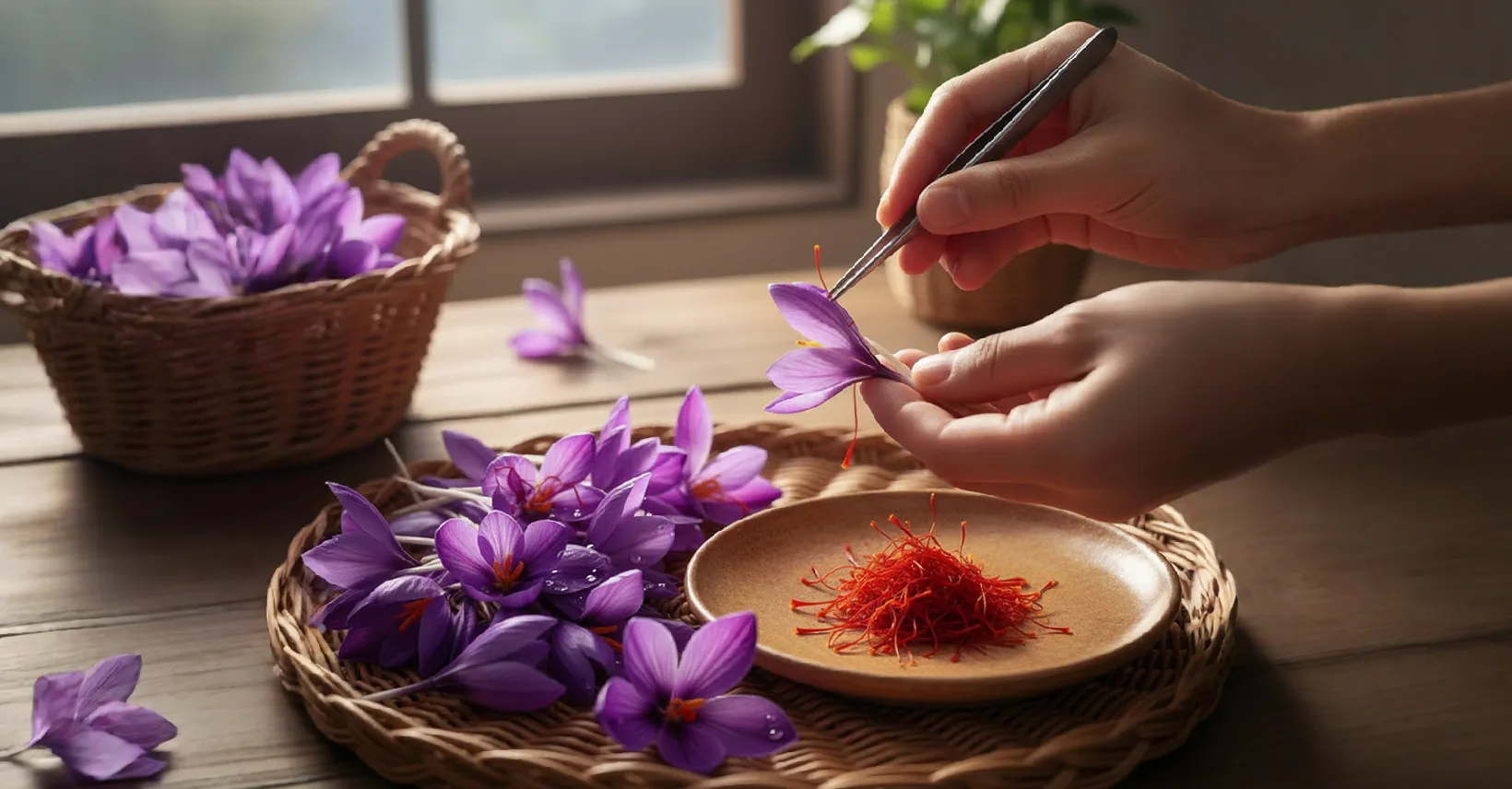
When dealing with fresh saffron crocus stigmas, timing is everything. The stigmas start losing moisture the moment they leave the flower, so proper drying ensures they maintain their flavor strength and coloring power.
This gentle heat method keeps saffron bright, aromatic, and full of crocin—the compound responsible for its intense color.
If you want your saffron to rival premium-grade threads, this section is for you. Professionals use controlled heat to lock in color and boost aroma without damaging the delicate filaments.
These methods help you achieve the crisp texture, vibrant red color, and intense aroma found in high-grade saffron products.
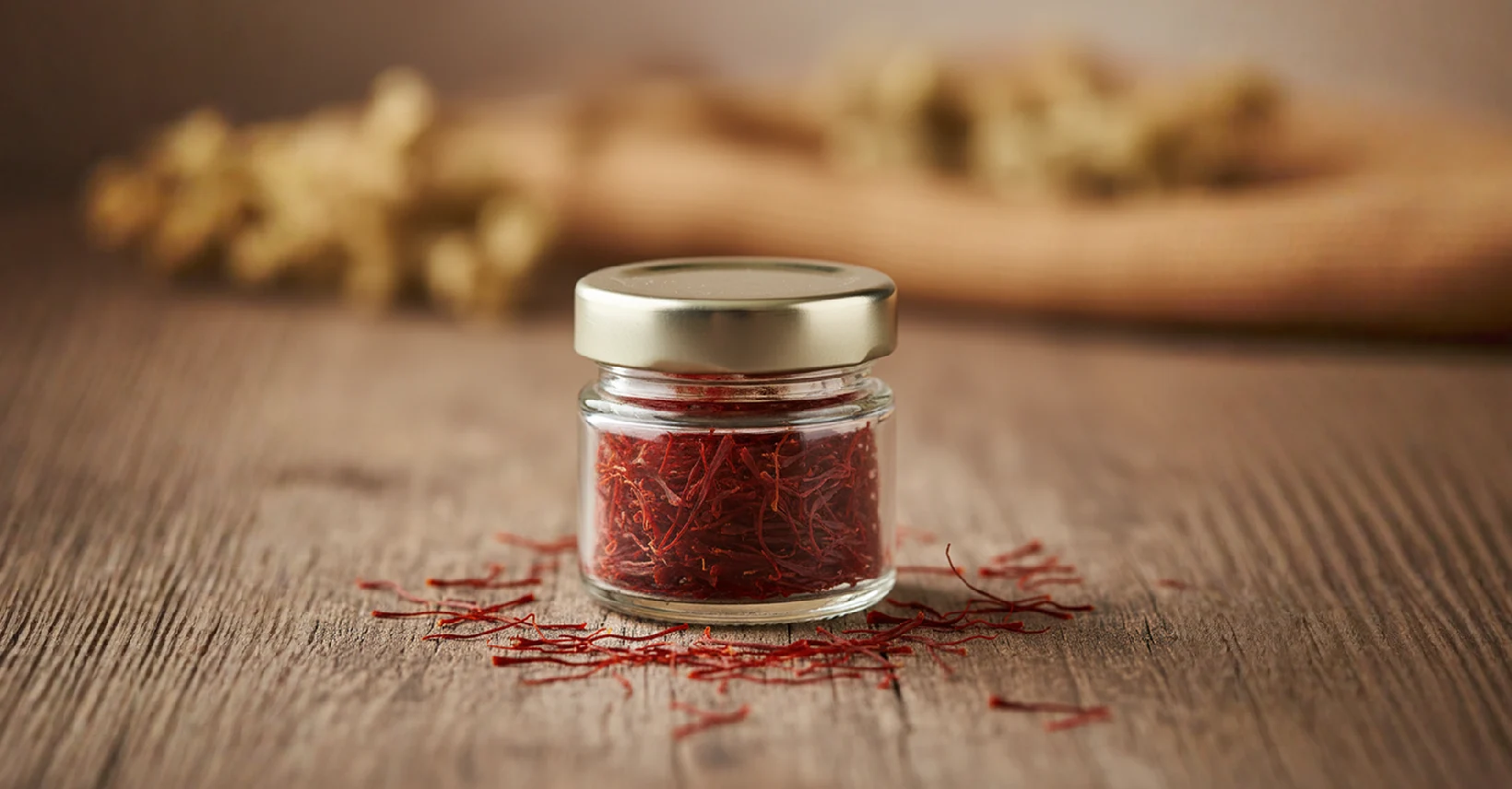
Dried saffron is impressively long-lasting, especially when stored correctly. And if you've ever wondered does saffron expire, understanding its real shelf life will help you protect your hard-earned threads and keep their flavor at its peak.
Shelf life: 2–3 years when stored in an airtight container, away from light and moisture.
While saffron doesn’t “spoil,” it does lose potency over time. The more you protect it from air and sunlight, the longer it keeps its signature fragrance.
Drying saffron is simple, but small mistakes can ruin its color, aroma, or lifespan. And whether you’re drying your own harvest or comparing quality while checking the saffron wholesale price, avoiding these errors will help you understand what truly makes saffron strong and long-lasting.
Drying saffron is a small task with a big payoff, and with just a little attention you can create premium-quality threads right at home. Always handle stigmas with clean, dry hands or tweezers, keep temperatures low to let the aroma develop slowly, label your jar with the harvest date, and store your saffron in glass rather than plastic. These simple final tips will help you master the process with confidence.
You can, but it’s not recommended. Sunlight fades the color and weakens the aroma. If you must sun-dry, keep the stigmas shaded and protected.
Yes. Properly dried saffron should feel crisp and slightly brittle. This ensures it’s moisture-free and ready for long-term storage.
It rarely spoils, but it can lose potency. Keep dried saffron airtight and away from light to maintain its strength for years.

Zoe Grace Carter is a passionate food scientist with a remarkable academic background, holding a PhD from the prestigious Cornell University. At the youthful age of 30, she brings a wealth of knowledge and expertise to the world of culinary exploration. Zoe is on a mission to unravel the mysteries of saffron and share her insights with the world through her captivating writings on Goldensaffron.com.


You have no items in your shopping cart.